
Single-visit dental crown: when is it really possible?
Introduction
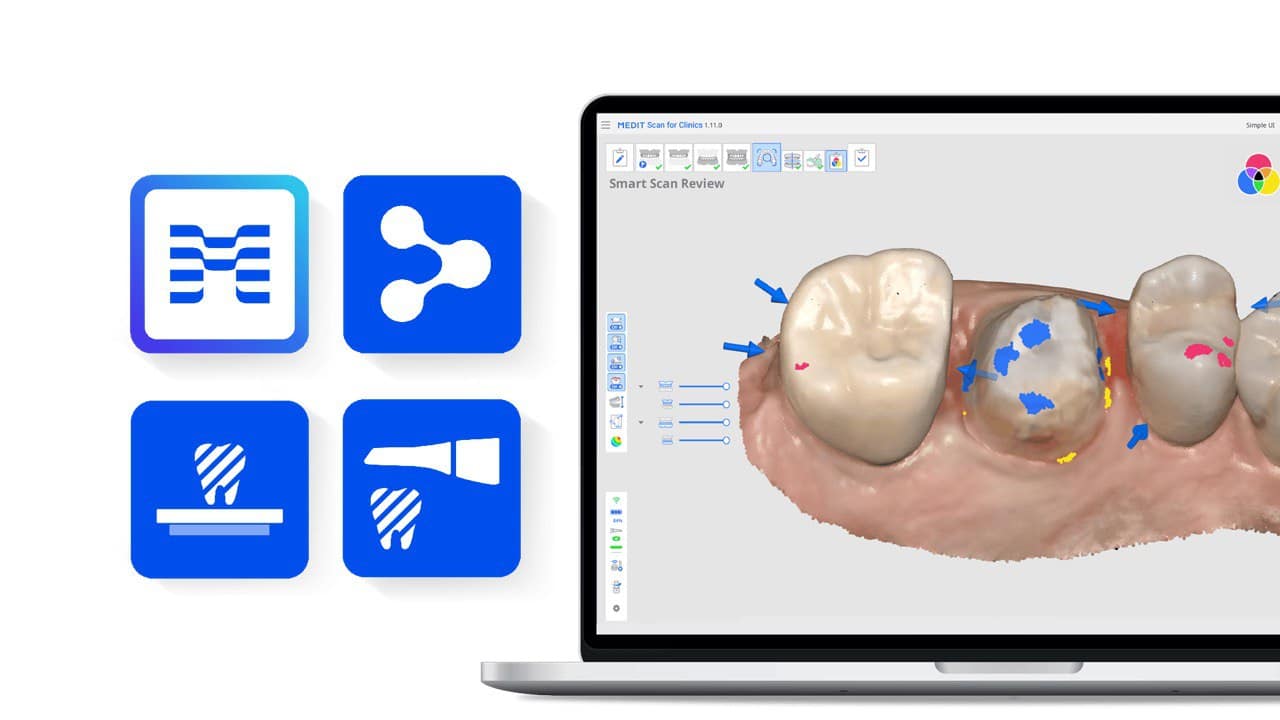
The promise of a dental crown made in a single visit thanks to digital dentistry generates a lot of interest.
But this process is neither automatic nor universal.
In practice, it all depends on specific medical criteria: the condition of the tooth, the bone, the bite, and the overall clinical context.
Understanding when this solution is appropriate — and when it isn’t — helps avoid unsuitable choices.
What Digital Dentistry Truly Enables
Digital dentistry combines:
- an accurate intraoral scan,
- computer-aided design,
- immediate fabrication of the restoration at the practice.
Under well-defined conditions, this makes it possible to:
- avoid conventional impressions,
- eliminate temporary crowns,
- reduce the total number of appointments.
But technology never replaces medical indication.
When a single-visit crown is appropriate
A digital crown can be made in a single session when several conditions are met:
1. The tooth is structurally stable
- limited fracture,
- no deep crack,
- healthy root.
2. The biological environment is favorable
- stable gums,
- no active infection,
- no untreated bone lesion.
3. The bite is under control
- no excessive overload,
- no uncontrolled bruxism,
- balanced functional contacts.
4. The clinical context is compatible
- isolated tooth,
- non-infectious, non-urgent situation,
- possibility of immediate, precise adjustment.
When these criteria are met, a single-visit digital crown can offer:
- excellent precision,
- immediate aesthetic integration,
- greater comfort for the patient.
When a single-visit crown is not recommended
Digital dentistry is not a universal solution.
It is generally not indicated when:
- the tooth requires prior treatment (infection, recent endodontic treatment),
- gum stability is not ensured,
- the occlusal situation is complex,
- several teeth must be restored at the same time,
- biological healing time is essential.
In these cases, a step-by-step approach remains medically preferable, even if it takes longer.
Dental emergency and digital crowns: beware of shortcuts
In an emergency situation (pain, fracture, loose crown), the priority is to:
- relieve pain,
- stabilize,
- protect.
Placing a definitive immediate digital crown is possible only if the emergency does not conceal an underlying condition.
That’s why a clear distinction between:
- immediate emergency
- planned urgent care
is essential before any decision.
A Medical Decision Above All
The question is never:
“Can we do a crown in one visit?”
but rather:
“Is it the best option for this tooth, in this specific situation?”
Digital dentistry is a powerful tool, provided it is used:
- with discernment,
- without automatism,
- in line with medical indications.
Conclusion
A single-visit dental crown can be a reliable, precise, and comfortable solution in well-defined cases.
When it is not indicated, a more gradual approach remains the best guarantee of long-term durability.
Every situation deserves an individualized assessment, based on clear clinical criteria — not on a technological promise.